Case Study: Transforming Operations for Shuttle Operators
Introduction to Operational Transformation
In the fast-evolving landscape of shuttle operations, companies are continuously seeking ways to optimize efficiency and enhance customer satisfaction. This case study delves into the transformative journey of a shuttle operator that successfully revamped its operations, leading to significant improvements in service delivery and profitability.
By embracing innovative solutions and adopting new technologies, the shuttle operator was able to address long-standing challenges and set a new benchmark in the industry. Let's explore the steps taken and the outcomes achieved.

Identifying Key Challenges
Initially, the shuttle operator faced multiple challenges that impeded its growth and efficiency. These included:
- Inefficient routing causing delays and increased fuel consumption.
- Lack of real-time communication tools for drivers and dispatchers.
- Limited insights into customer needs and preferences.
The management recognized that addressing these challenges was crucial for sustaining their competitive edge and ensuring long-term success.
Implementing Technological Solutions
The first step in the transformation process was the integration of advanced GPS and routing software. This technology enabled the operator to optimize routes, thereby reducing travel time and fuel costs. The introduction of real-time tracking also improved the accuracy of arrival estimates, enhancing customer satisfaction.
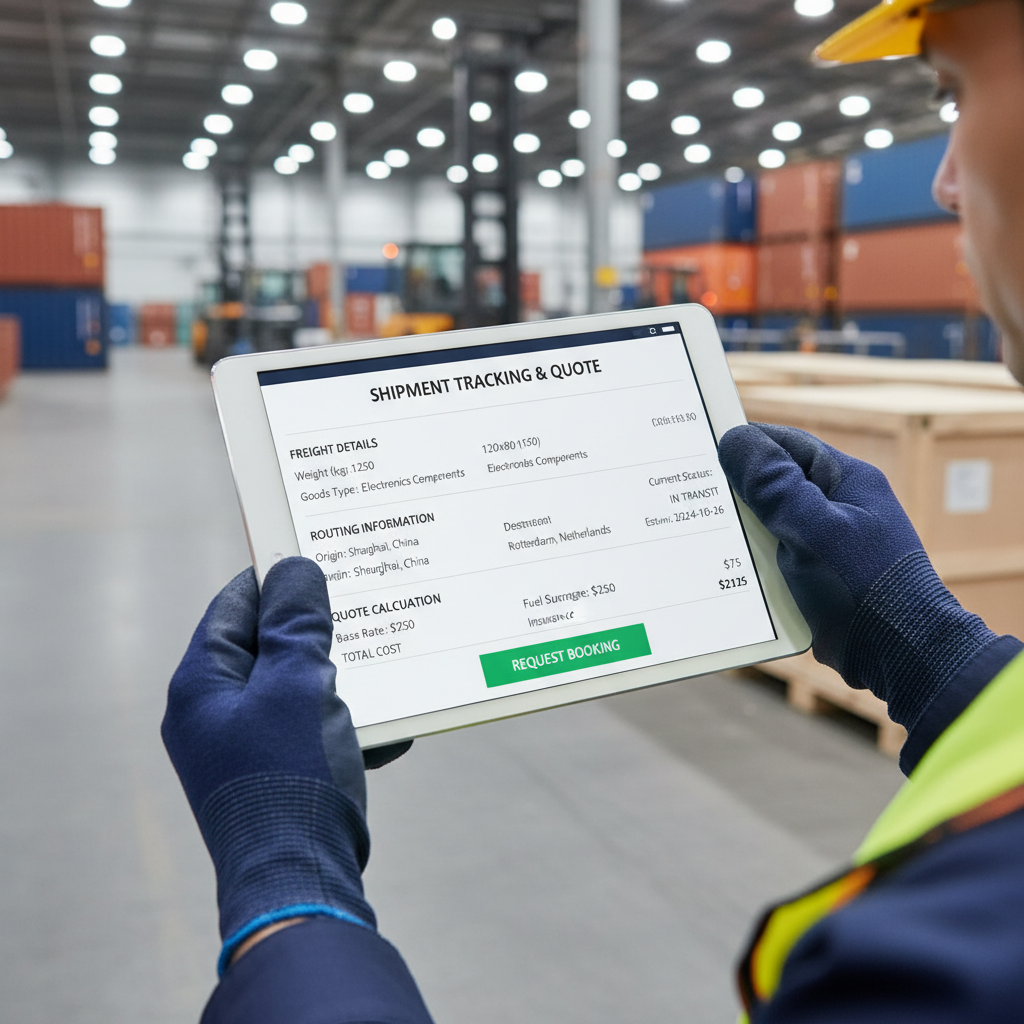
Moreover, the company deployed a mobile communication platform that allowed seamless interaction between drivers and dispatchers. This tool facilitated quick updates and decision-making, which was instrumental in managing unexpected road conditions and schedule changes.
Enhancing Customer Experience
Beyond operational improvements, the operator focused on elevating the customer experience. By collecting and analyzing customer feedback, the company gained valuable insights into passenger preferences and pain points. This information guided the development of personalized services and loyalty programs.
Additionally, the operator introduced a user-friendly mobile app that allowed customers to book rides, track shuttles in real-time, and provide instant feedback. These enhancements contributed to a 20% increase in customer retention within the first year.

Results and Outcomes
The transformation efforts yielded impressive results. Key outcomes included:
- A 30% reduction in operational costs due to optimized routing and fuel savings.
- Improved on-time performance, with punctuality rates exceeding 95%.
- Increased customer satisfaction scores, reflecting the positive impact of service enhancements.
These achievements not only strengthened the operator’s market position but also demonstrated the potential for further growth and innovation.
Conclusion
The case study of this shuttle operator illustrates the profound impact of strategic operational transformation. By leveraging technology and prioritizing customer experience, the company successfully navigated its challenges and set a precedent for others in the industry.
As shuttle operators continue to face evolving demands, embracing change and innovation will remain key to thriving in a competitive market. This case serves as an inspiring example of what is possible with vision, commitment, and the right tools.