Mastering Dispatch: How to Optimize Your Transportation Operations
Understanding the Role of Dispatch in Transportation
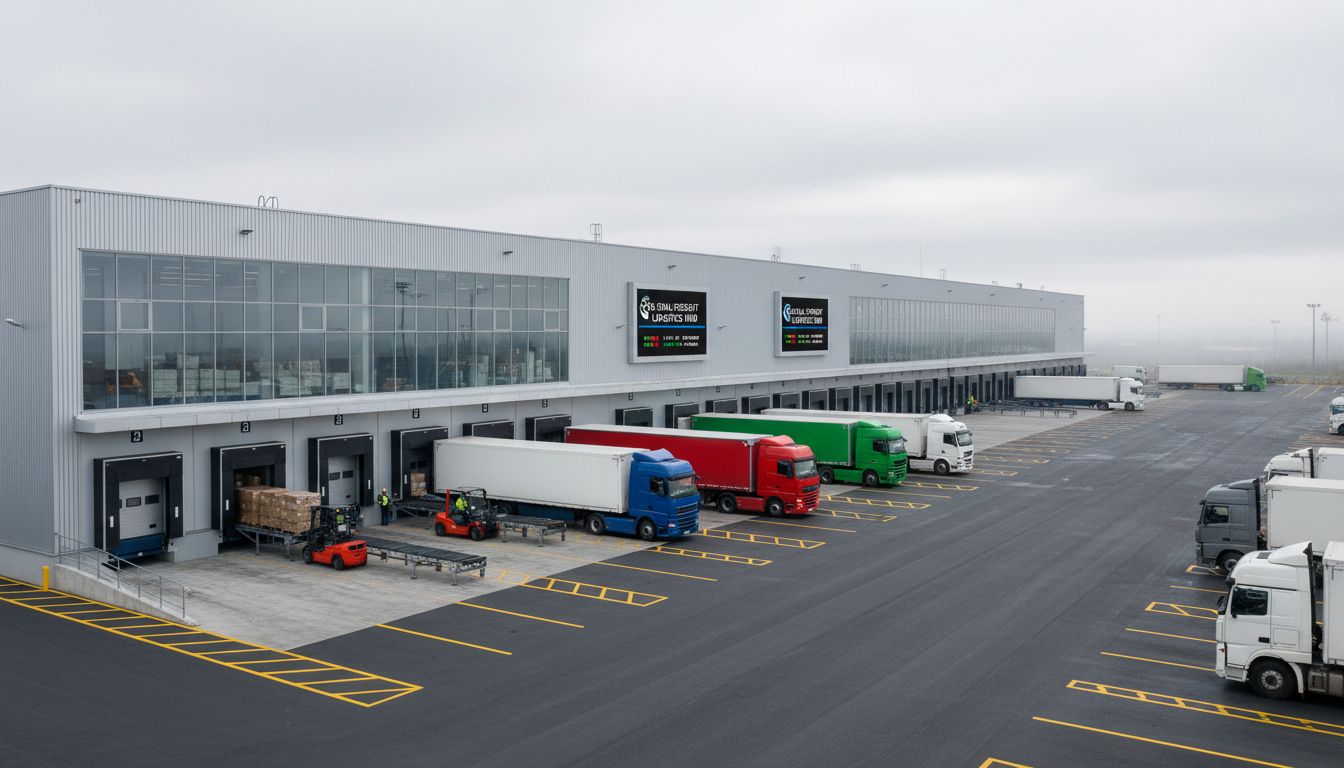
Effective dispatching is at the heart of successful transportation operations. It involves coordinating drivers, vehicles, and routes to ensure timely deliveries and pickups. A well-optimized dispatch system can significantly reduce operational costs and enhance customer satisfaction. In today's fast-paced world, mastering dispatch means leveraging technology, data, and strategic planning.
Leveraging Technology for Efficient Dispatch
Modern dispatching relies heavily on technology. Implementing advanced software solutions can streamline communication and provide real-time updates. GPS tracking, route optimization algorithms, and automated scheduling are just a few tools that can transform how dispatch operations are managed. By harnessing these technologies, companies can improve accuracy and efficiency.
Additionally, mobile apps allow drivers to receive updates on the go, reducing the need for constant manual communication. These apps often include features like proof of delivery, which further enhances operational transparency and accountability.
Data-Driven Decision Making
Data plays a crucial role in optimizing dispatch operations. By analyzing historical data, companies can identify patterns and make informed decisions. This might include adjusting routes based on traffic patterns or customer preferences. Data analytics can also help in predicting demand, allowing companies to allocate resources more effectively.

Moreover, real-time data can assist in proactive decision-making. For instance, if a delay occurs, dispatchers can quickly reroute drivers to minimize the impact on delivery schedules. This agility is essential in maintaining high service levels.
Training and Skill Development
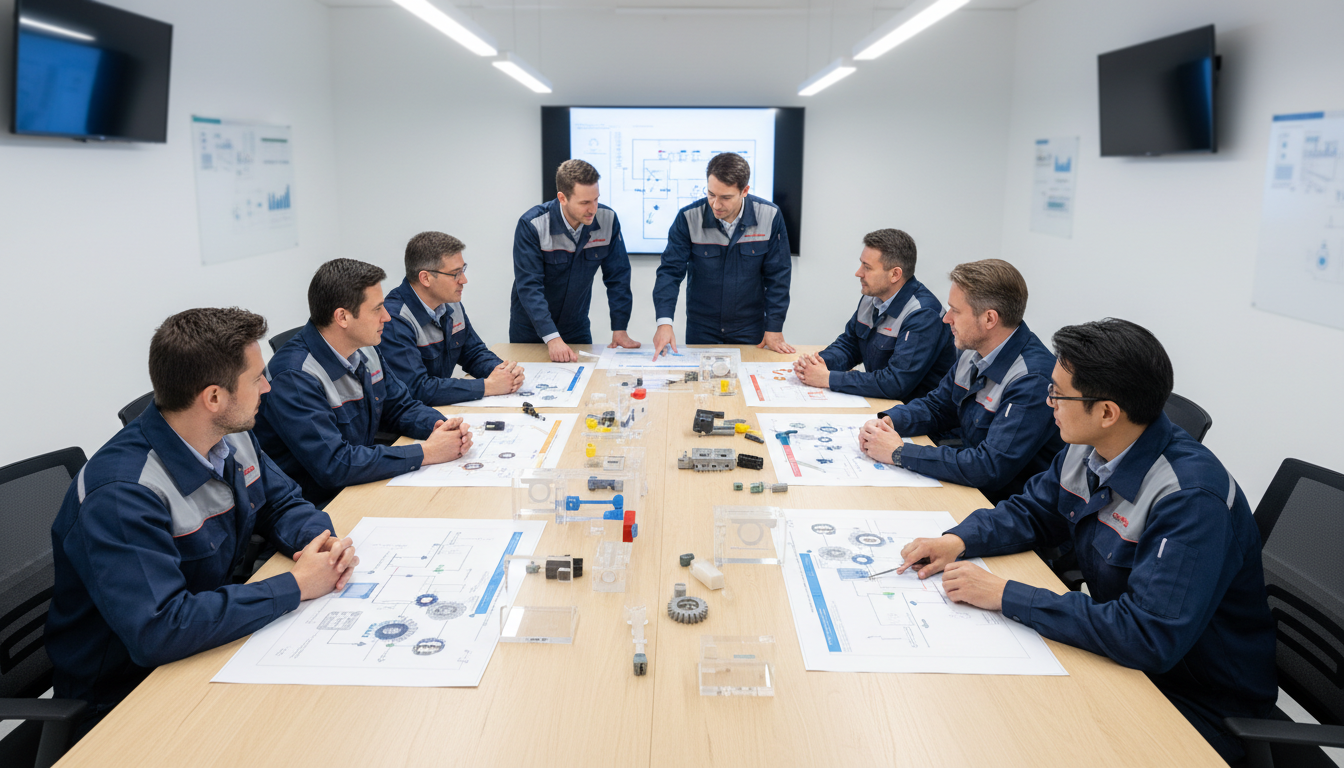
While technology and data are vital, the human element cannot be overlooked. Dispatchers need to be skilled in communication, problem-solving, and decision-making. Continuous training and development programs can equip dispatchers with the necessary skills to handle complex situations effectively.
Investing in employee development not only improves operational efficiency but also boosts morale and reduces turnover. Skilled dispatchers are an invaluable asset to any transportation operation.
Enhancing Customer Experience
At the end of the day, the effectiveness of dispatch operations directly impacts customer satisfaction. Timely deliveries, accurate ETAs, and proactive communication are key factors that enhance the customer experience. A well-optimized dispatch system ensures that these elements are consistently met.
Furthermore, providing customers with real-time tracking information can enhance transparency and trust. When customers are informed, they feel more in control and are more likely to have a positive experience.
Measuring and Improving Performance
To ensure continuous improvement, it's essential to measure performance regularly. Key performance indicators (KPIs) such as on-time delivery rates, fuel efficiency, and customer feedback should be monitored. Regular reviews can help identify areas for improvement and drive strategic changes.

By setting clear goals and using KPIs to track progress, businesses can ensure that their dispatch operations are aligned with broader organizational objectives. This alignment is crucial for long-term success.
In conclusion, mastering dispatch is about integrating technology, leveraging data, developing skilled personnel, and focusing on customer satisfaction. By optimizing these areas, transportation operations can achieve greater efficiency, reduce costs, and enhance service quality.