Seasonal Challenges in Transportation: Preparing for Peak Times
Understanding Seasonal Transportation Challenges
Transportation companies face unique challenges during different seasons. Whether it’s the holiday rush, summer vacation peaks, or winter weather disruptions, being prepared is crucial. These seasonal changes can impact delivery times, costs, and customer satisfaction. Understanding the nature of these challenges is the first step in developing effective strategies.
As seasons change, so do the demands on transportation systems. For instance, winter often brings weather-related delays, while summer might see increased demand for recreational travel. Each season requires specific strategies to mitigate challenges and optimize operations.
Strategies for Managing Peak Times
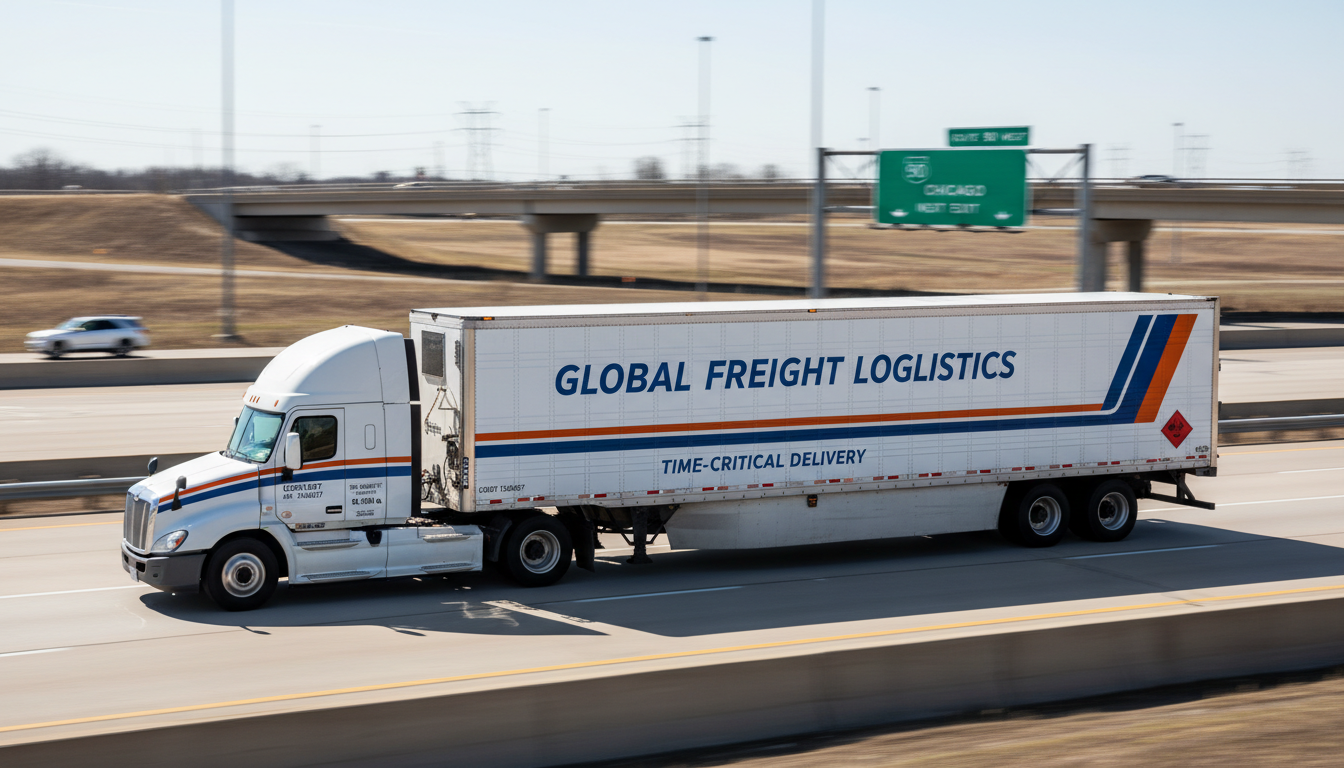
Effective management of peak times involves strategic planning and resource allocation. Companies must anticipate demand surges and adjust their operations accordingly. This can include hiring additional staff, increasing fleet capacity, and optimizing delivery routes.
One strategy is to employ data analytics to predict demand patterns. By analyzing historical data, transportation companies can forecast peak periods and prepare in advance. This proactive approach helps in managing resources efficiently and reducing the risk of disruptions.

Enhancing Customer Communication
Clear communication with customers is vital during peak times. Keeping customers informed about potential delays and estimated delivery times can enhance trust and satisfaction. Utilizing technology such as mobile apps and real-time tracking systems can provide customers with up-to-date information.
Additionally, offering flexible delivery options and customer support can improve the overall experience. Ensuring that customers have access to help when needed can make a significant difference in maintaining customer loyalty during challenging periods.
Leveraging Technology for Efficiency
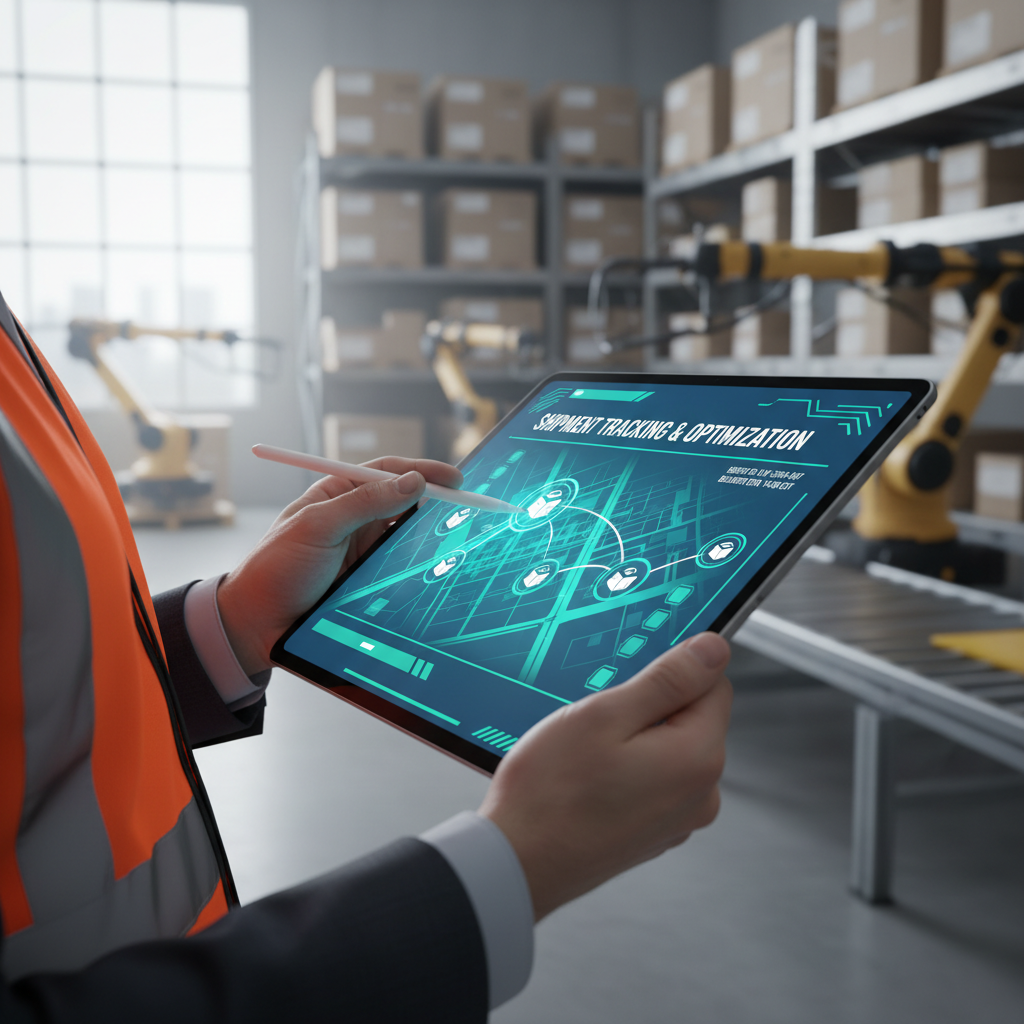
Technology plays a crucial role in addressing seasonal transportation challenges. From GPS tracking to automated scheduling, leveraging technology can streamline operations and improve efficiency. Implementing advanced systems can help in reducing human error and increasing accuracy in delivery schedules.
Investing in technology not only aids in handling peak times but also enhances overall operational capabilities. Companies that embrace technological advancements are better equipped to adapt to changing demands and maintain competitive advantage.
Building a Resilient Supply Chain
Building resilience into the supply chain is essential for managing seasonal fluctuations. This involves developing strong relationships with suppliers, diversifying supply sources, and ensuring the availability of backup resources. A resilient supply chain can withstand disruptions and maintain continuity even during peak times.
Collaborating with partners and stakeholders can also enhance resilience. Sharing information and resources can lead to more efficient operations and better preparedness for seasonal challenges.
Conclusion: Preparing for Success
Preparing for seasonal transportation challenges requires a strategic approach that includes planning, communication, technology, and resilience. By understanding the specific demands of each season and implementing the right strategies, transportation companies can navigate peak times successfully.
Ultimately, the key to success lies in being proactive and adaptable. With the right preparation, companies can not only overcome seasonal challenges but also leverage them as opportunities for growth and improvement.